
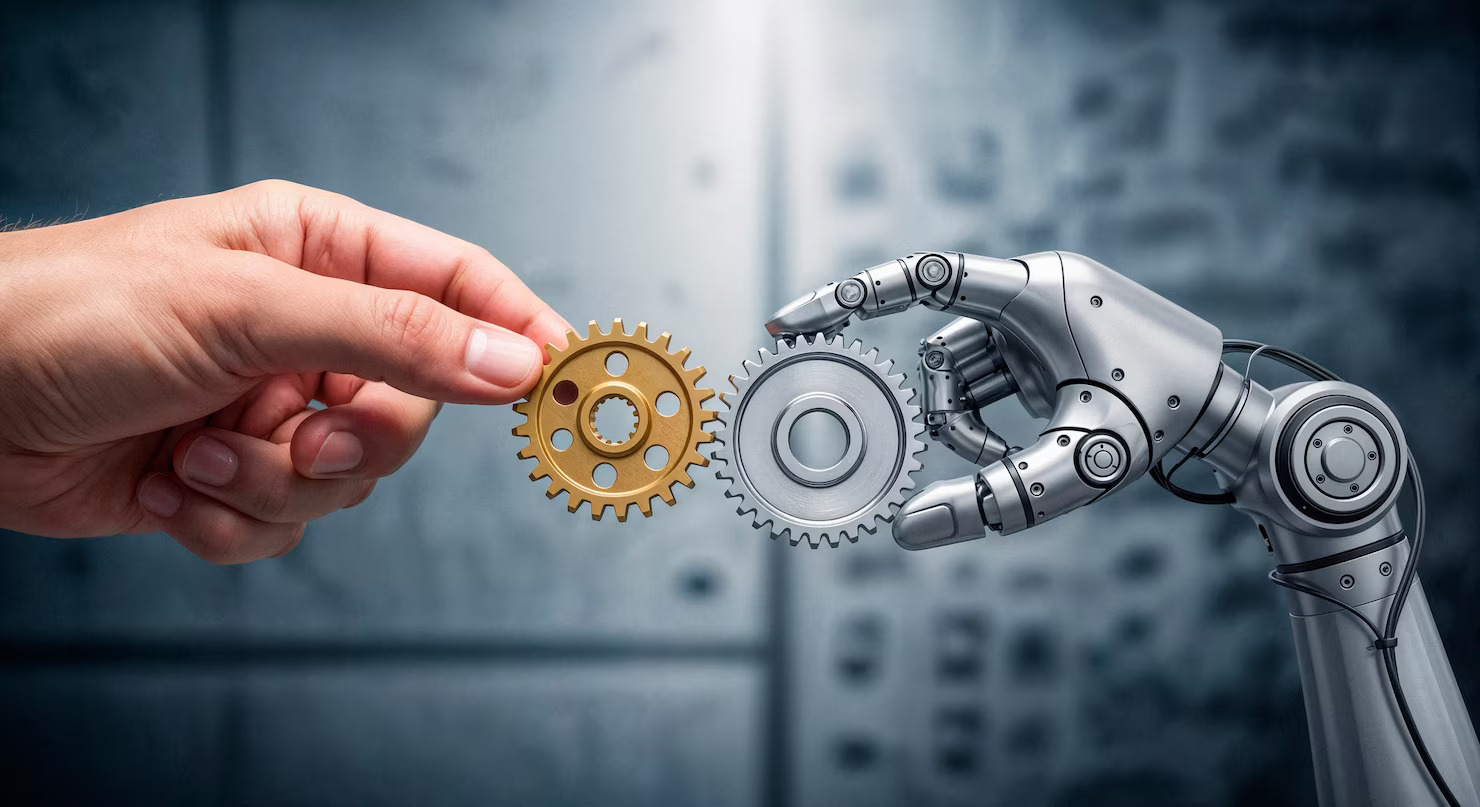
The industrial landscape is undergoing a significant transformation driven by rapid advancements in engineering, automation, and digital technologies. Modern industries are no longer focused only on increasing production capacity; they are working toward creating smarter, more efficient, sustainable, and adaptable systems. Innovative engineering and technology are enabling businesses to improve operational performance, reduce costs, enhance safety, and respond effectively to changing market demands.
From advanced manufacturing facilities to intelligent industrial equipment, the integration of technology is redefining how industries operate. Building smarter industries requires a combination of engineering expertise, digital solutions, and continuous innovation to create systems that are reliable, connected, and future-ready.
The Evolution of Modern Industries
Traditional industrial operations relied heavily on manual processes, fixed systems, and reactive maintenance strategies. While these methods supported industrial growth for decades, they often resulted in inefficiencies, higher operational costs, and limited flexibility.
Today, industries are adopting smart technologies that allow machines, systems, and people to work together more effectively. Concepts such as smart manufacturing, Industry 4.0, automation, and industrial digitalization are transforming factories and production environments into intelligent ecosystems.
Smart industries use real-time data, advanced analytics, robotics, and connected equipment to make informed decisions and optimize performance. This evolution is helping companies achieve higher productivity while maintaining quality and sustainability.
The Role of Innovative Engineering
Engineering is at the core of industrial advancement. Innovative engineering focuses on developing solutions that improve efficiency, reliability, and functionality while addressing complex industrial challenges.
Modern engineers combine traditional design principles with advanced tools such as computer-aided design (CAD), simulation software, artificial intelligence, and digital modeling. These technologies allow engineers to design better equipment, analyze performance, and identify potential improvements before implementation.
For example, industrial components can now be optimized for improved durability, reduced energy consumption, and better performance under demanding conditions. This approach helps companies create systems that are not only more efficient but also more sustainable.
Automation and Smart Manufacturing
Automation has become one of the most important drivers of smarter industries. Automated systems reduce repetitive manual tasks, improve accuracy, and increase production consistency.
Robotics, automated control systems, and intelligent machinery enable manufacturers to operate with greater precision and flexibility. Advanced automation solutions can monitor production processes, detect errors, and make adjustments in real time.
Smart manufacturing takes automation further by connecting machines, sensors, and software platforms. This connectivity allows companies to collect valuable operational data and use it to improve decision-making, reduce waste, and enhance overall productivity.
The Impact of Digital Technologies
Digital transformation is changing the way industries manage operations and resources. Technologies such as the Internet of Things (IoT), artificial intelligence (AI), cloud computing, and data analytics are helping companies build more responsive and efficient systems.
Industrial IoT devices collect information from machines and equipment, providing insights into performance, energy usage, and maintenance requirements. AI-powered analytics can identify patterns, predict failures, and recommend improvements.
This shift from reactive to predictive operations helps industries prevent unexpected breakdowns and extend equipment life. By using data-driven strategies, companies can improve reliability while reducing unnecessary costs.
Enhancing Equipment Performance Through Technology
Industrial equipment plays a critical role in production, and maintaining its performance is essential for business success. Innovative engineering solutions help industries improve equipment reliability through advanced monitoring, design optimization, and predictive maintenance.
Sensors and smart monitoring systems allow companies to track equipment conditions in real time. Parameters such as temperature, vibration, pressure, and energy consumption can be analyzed to identify potential issues before they become major failures.
Additionally, technologies such as reverse engineering, advanced manufacturing, and digital simulation enable companies to upgrade existing equipment and extend its operational lifespan. These solutions provide cost-effective alternatives to complete system replacement.
Improving Sustainability Through Innovation
Sustainability has become a key priority for industries worldwide. Smart engineering and technology help companies reduce their environmental impact while maintaining operational efficiency.
Energy-efficient equipment, optimized production processes, and intelligent resource management systems allow industries to minimize waste and reduce energy consumption. Digital monitoring tools also help identify areas where resources can be used more effectively.
By adopting sustainable engineering practices, businesses can achieve long-term operational benefits while supporting environmental responsibility.
Strengthening Industrial Safety
Safety is a fundamental requirement in any industrial environment. Innovative technologies are helping companies create safer workplaces by reducing risks and improving monitoring capabilities.
Automated systems can handle hazardous tasks, while smart sensors can detect unsafe conditions and provide early warnings. Advanced engineering solutions also improve the design of industrial equipment, ensuring better protection for workers and facilities.
By combining technology with effective engineering practices, industries can create safer and more reliable operating environments.
The Importance of Skilled Engineering Expertise
While technology provides powerful tools, successful industrial transformation depends on skilled professionals who understand how to apply these solutions effectively. Engineers play a crucial role in designing, implementing, and optimizing smart industrial systems.
Collaboration between engineers, technology specialists, and industry experts ensures that solutions are practical, efficient, and aligned with business goals. Continuous learning and innovation are essential for companies seeking to remain competitive in a rapidly changing industrial environment.
Building the Future of Smart Industries
The future of industries will be shaped by continued innovation, automation, and intelligent engineering. Companies that embrace advanced technologies will be better positioned to improve productivity, adapt to market changes, and create sustainable operations.
Building smarter industries is not only about adopting new technologies; it is about creating a culture of innovation and continuous improvement. By combining engineering excellence with digital transformation, industries can achieve greater efficiency, reliability, and long-term growth.
Conclusion
Innovative engineering and technology are driving the next generation of industrial development. From automation and smart manufacturing to predictive maintenance and sustainable solutions, these advancements are helping businesses build more intelligent and efficient operations.
As industries continue to evolve, the integration of engineering expertise and emerging technologies will remain essential for achieving competitiveness and resilience. Smarter industries are not just the future—they are already shaping the way businesses operate today.