
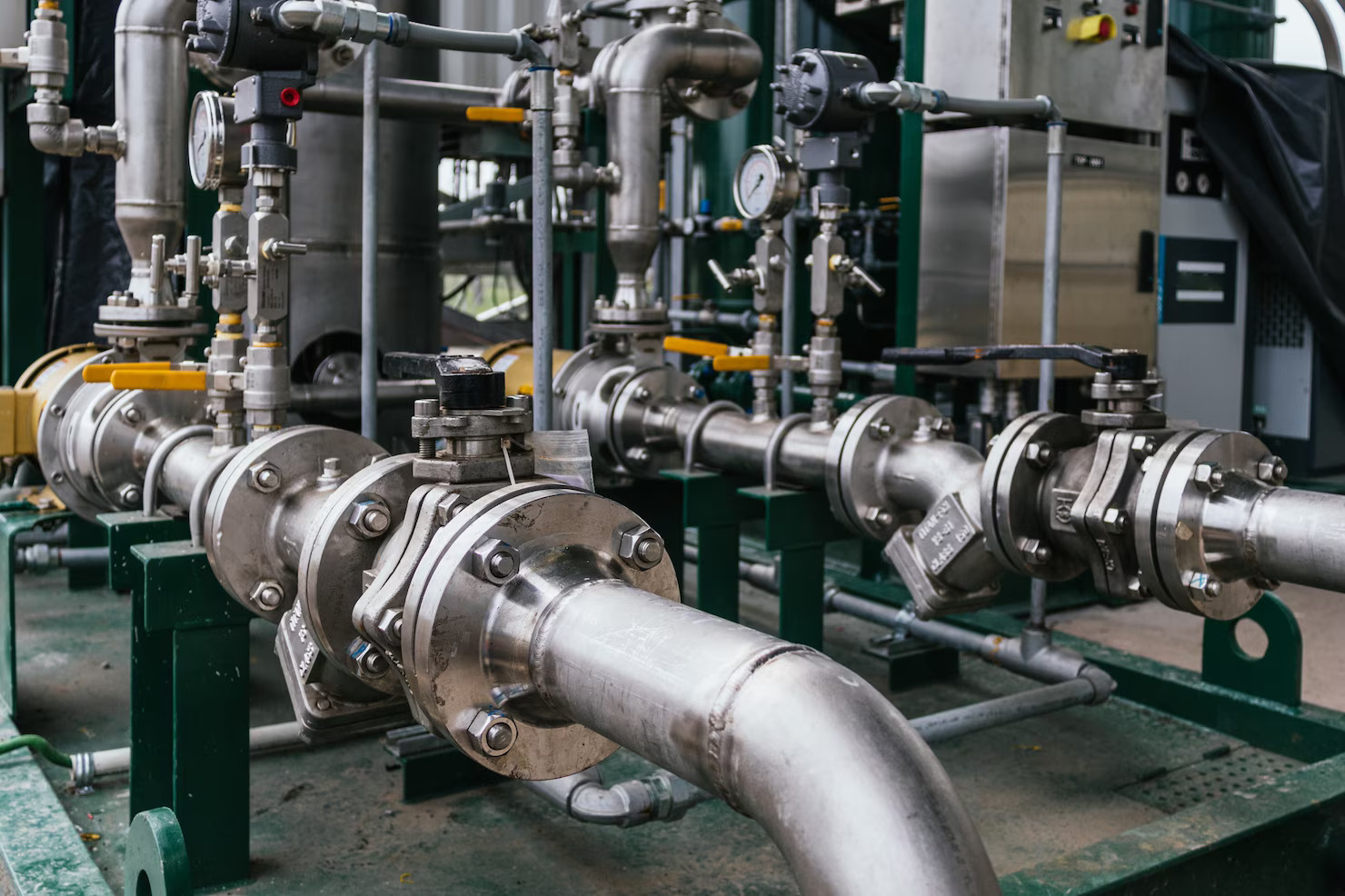
Modern manufacturing relies on precision, efficiency, and reliability. Behind many successful industrial operations are components that often remain unnoticed but play a critical role in maintaining smooth production processes. Industrial valves are one such essential component. Used across industries such as oil and gas, chemical processing, pharmaceuticals, food and beverage, power generation, and water treatment, high-quality industrial valves help regulate the flow, pressure, and direction of liquids, gases, and other materials.
As manufacturing systems become more advanced and automated, the demand for durable and efficient valves continues to grow. Choosing high-quality industrial valves is not just a matter of improving performance; it is a strategic decision that affects safety, productivity, operational costs, and long-term sustainability.
The Role of Industrial Valves in Manufacturing
Industrial valves serve as control points within manufacturing systems. They manage the movement of various substances through pipelines and equipment by opening, closing, or partially restricting flow. Depending on the application, different types of valves are used, including ball valves, gate valves, globe valves, butterfly valves, check valves, and control valves.
In a manufacturing environment, even a small valve failure can disrupt an entire production line. A malfunctioning valve may lead to leaks, pressure issues, contamination, equipment damage, or unexpected downtime. High-quality valves are designed to withstand demanding industrial conditions, ensuring consistent operation and minimizing the risk of failures.
Enhancing Operational Efficiency
Efficiency is a key priority for modern manufacturers. Production facilities operate under strict deadlines and must maintain high output while controlling costs. High-quality industrial valves contribute to efficiency by providing accurate flow control and reducing energy consumption.
Advanced valves are engineered with precise materials, improved sealing technologies, and better control mechanisms. These features allow manufacturers to maintain optimal process conditions, reduce material waste, and improve overall system performance. For industries where temperature, pressure, and flow accuracy are critical, reliable valves are essential for maintaining product quality.
Improving Safety in Industrial Operations
Safety is one of the most important reasons for investing in high-quality industrial valves. Many manufacturing processes involve hazardous chemicals, extreme temperatures, and high-pressure systems. A valve failure in such environments can create serious risks for employees, equipment, and the surrounding environment.
Premium industrial valves undergo strict quality testing to ensure they can handle challenging operating conditions. Features such as leak prevention, corrosion resistance, and pressure control help protect facilities from accidents. In industries such as chemical manufacturing and oil processing, dependable valves are a fundamental part of safety management systems.
Reducing Maintenance and Downtime Costs
Unexpected equipment breakdowns can be expensive for manufacturers. Production interruptions often result in lost revenue, increased repair expenses, and delayed deliveries. Low-quality valves may require frequent maintenance or replacement, increasing operational costs over time.
High-quality industrial valves are built for durability and long service life. They use robust materials and advanced manufacturing techniques to resist wear, corrosion, and mechanical stress. Although the initial investment may be higher, reliable valves provide better value by reducing maintenance requirements and preventing costly downtime.
Supporting Automation and Smart Manufacturing
The rise of Industry 4.0 and smart manufacturing has transformed industrial operations. Modern factories increasingly rely on automation, sensors, and digital monitoring systems to improve efficiency and decision-making. Industrial valves are becoming an important part of these connected systems.
Smart control valves equipped with sensors and automated actuators allow manufacturers to monitor and adjust processes in real time. This improves accuracy, reduces human error, and enables predictive maintenance. By detecting potential issues before they cause failures, smart valve technologies help manufacturers achieve greater reliability and productivity.
Importance of Material Selection and Engineering Quality
The performance of an industrial valve depends heavily on its design and material quality. Different industries require valves that can handle specific operating environments. For example, valves used in chemical plants must resist corrosion, while those used in power generation facilities must tolerate high temperatures and pressures.
High-quality valve manufacturers focus on engineering precision, selecting suitable materials such as stainless steel, carbon steel, alloys, and specialized coatings. Proper design ensures compatibility with the application and extends the operational lifespan of the valve.
Supporting Environmental Sustainability
Manufacturers worldwide are focusing on reducing waste, improving energy efficiency, and meeting environmental regulations. High-quality industrial valves support these goals by preventing leaks, optimizing resource usage, and improving process control.
In industries involving water, chemicals, and gases, effective valve performance can significantly reduce emissions and material losses. Reliable valves also contribute to sustainable operations by extending equipment life and reducing the need for frequent replacements.
Choosing the Right Industrial Valve Supplier
Selecting the right valve supplier is an important step for manufacturing companies. A reliable supplier should provide products that meet industry standards, offer technical expertise, and ensure consistent quality. Factors such as application requirements, operating conditions, certification, and after-sales support should be considered before making a decision.
Manufacturers should partner with suppliers that understand their specific challenges and provide customized solutions. Quality assurance, testing procedures, and engineering support are essential indicators of a dependable valve manufacturer.
Conclusion
High-quality industrial valves are a vital part of modern manufacturing systems. They improve efficiency, enhance safety, reduce maintenance costs, support automation, and contribute to sustainable operations. As industries continue to evolve and adopt advanced technologies, the importance of reliable valve solutions will only increase.
Investing in superior industrial valves is an investment in operational stability and long-term success. For manufacturers seeking to remain competitive in a rapidly changing industrial landscape, choosing dependable valve technology is not just an option—it is a necessity.