
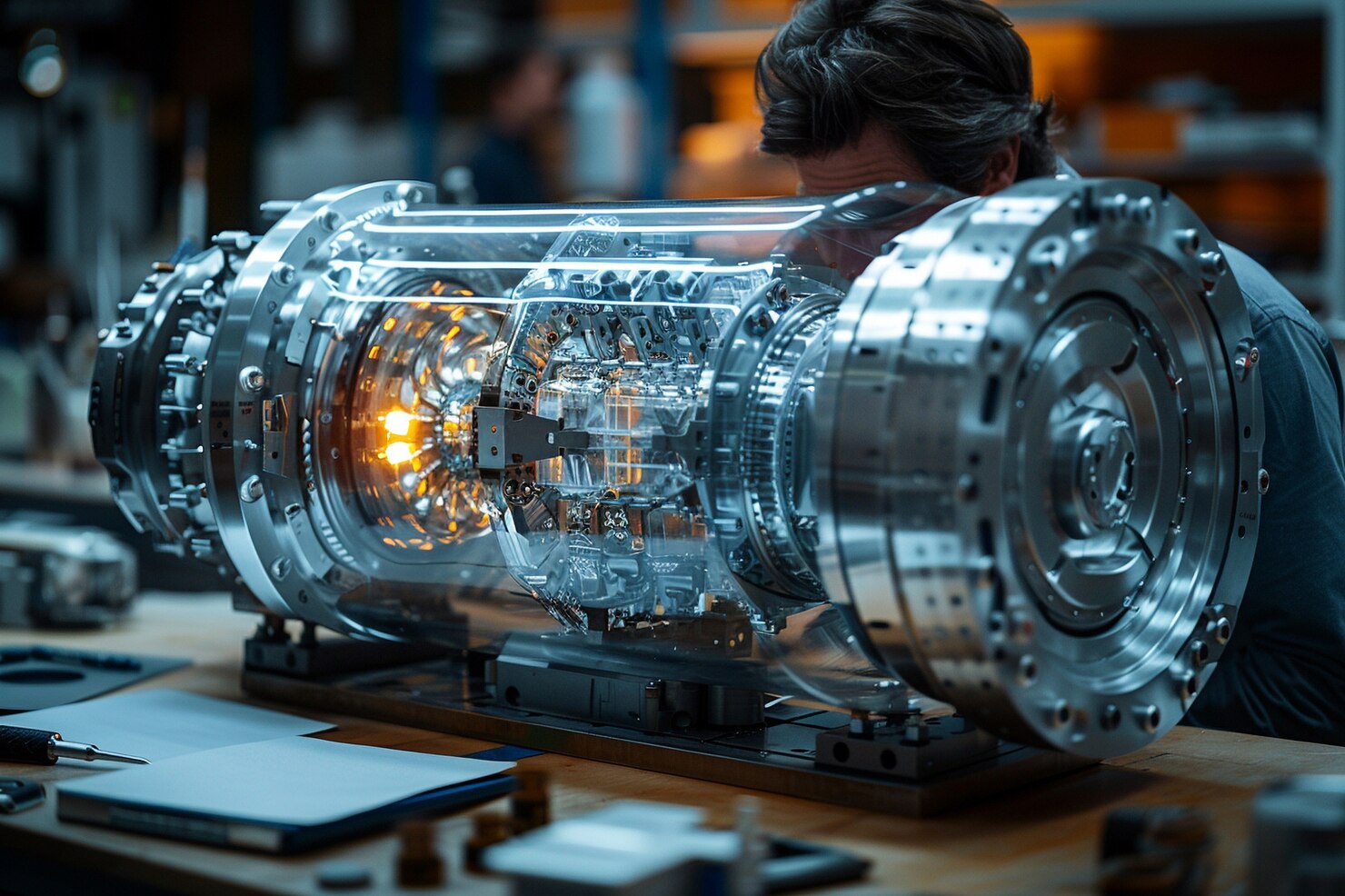
Industrial equipment forms the backbone of modern manufacturing, energy production, chemical processing, and infrastructure development. Many industries rely on heavy machinery and specialized components that operate continuously under demanding conditions. Over time, even the most durable equipment experiences wear, component obsolescence, or difficulties in sourcing replacement parts. In such situations, reverse engineering has emerged as a powerful solution for extending the operational life of critical industrial equipment.
Reverse engineering involves analyzing an existing component, system, or assembly to understand its design, materials, functionality, and manufacturing process. This information is then used to recreate, improve, or modify the component. For industries where equipment reliability and uptime are essential, reverse engineering provides an effective way to maintain performance, reduce costs, and avoid lengthy production interruptions.
Understanding Reverse Engineering in Industrial Applications
Reverse engineering is the process of examining a physical component or system and extracting technical information from it. Unlike traditional manufacturing, where engineers begin with a design concept and create a product, reverse engineering starts with an existing part and works backward to determine its specifications.
Industrial reverse engineering typically involves several steps, including dimensional measurement, material analysis, 3D scanning, computer-aided design (CAD) modeling, and performance evaluation. Engineers carefully study the original component to develop accurate drawings and manufacturing specifications.
This approach is especially valuable when original equipment manufacturer (OEM) drawings are unavailable, outdated, or when replacement parts are no longer produced.
Addressing the Challenge of Obsolete Components
One of the biggest challenges faced by industries is equipment obsolescence. Many industrial machines are designed to operate for decades, but their replacement parts may become unavailable within a few years due to discontinued production, supplier changes, or outdated technology.
Replacing an entire machine because of a single unavailable component can be extremely expensive and time-consuming. Reverse engineering provides an alternative by allowing manufacturers to recreate the required part based on the existing component.
For example, industries such as power generation, oil and gas, and heavy manufacturing often depend on specialized valves, pumps, turbines, gear systems, and mechanical assemblies. Reverse engineering enables these critical components to be reproduced with improved materials or enhanced designs, allowing aging equipment to continue operating efficiently.
Reducing Downtime and Maintenance Costs
Unplanned equipment downtime can significantly impact production schedules and profitability. When a critical component fails, waiting weeks or months for replacement parts can disrupt operations. Reverse engineering helps reduce these delays by enabling faster development and manufacturing of required components.
By locally reproducing difficult-to-source parts, companies can minimize dependency on long supply chains and improve maintenance response times. This results in faster repairs, reduced production losses, and improved operational continuity.
Additionally, reverse engineering allows engineers to identify weaknesses in existing components and make improvements. Upgraded materials, better manufacturing methods, and optimized designs can increase component life and reduce future maintenance requirements.
Improving Equipment Performance Through Design Optimization
Reverse engineering is not limited to creating identical replacements. It also provides an opportunity to enhance the performance of existing equipment. During the analysis process, engineers can identify design limitations and develop improved versions of the original component.
Modern engineering tools such as 3D modeling, simulation software, and advanced manufacturing techniques allow companies to optimize components for better efficiency, durability, and reliability.
For example, a redesigned industrial component may include improved corrosion resistance, increased load capacity, or better thermal performance. These improvements help extend equipment life and support more efficient industrial operations.
Supporting Legacy Equipment Modernization
Many industries continue to operate legacy equipment because of its reliability and significant initial investment. Completely replacing older machinery may not always be practical due to high costs, installation challenges, or operational disruptions.
Reverse engineering supports the modernization of legacy systems by enabling upgrades and replacement of outdated components. Engineers can analyze existing equipment and develop compatible parts that incorporate modern technologies while maintaining compatibility with the original system.
This approach allows companies to benefit from improved performance without replacing entire production systems.
The Role of Advanced Technology in Reverse Engineering
Technological advancements have significantly improved the accuracy and efficiency of reverse engineering. Traditional measurement methods have been enhanced by tools such as 3D laser scanning, coordinate measuring machines (CMM), digital modeling, and additive manufacturing.
3D scanning captures precise details of complex components and converts them into digital models. These models can then be analyzed, modified, and used for manufacturing. Computer-aided engineering tools allow engineers to simulate operating conditions and evaluate improvements before production.
These technologies make reverse engineering faster, more reliable, and capable of handling highly complex industrial components.
Applications Across Various Industries
Reverse engineering plays an important role across multiple industrial sectors. In the oil and gas industry, it helps recreate critical pipeline components, valves, and rotating equipment parts. In power plants, it supports the maintenance of turbines, pumps, and specialized machinery.
Manufacturing industries use reverse engineering to restore discontinued machine parts and improve production equipment. Aerospace, marine, automotive, and mining sectors also rely on this approach to maintain high-performance systems and reduce equipment lifecycle costs.
Ensuring Quality and Reliability
Successful reverse engineering requires strong technical expertise and strict quality control. Accurate measurements, proper material selection, and advanced manufacturing processes are essential to ensure that recreated components meet performance requirements.
Industries must work with experienced engineering partners who understand equipment specifications, operating environments, and industry standards. Quality testing, inspection, and validation help ensure that reverse-engineered components deliver reliable performance comparable to or better than the original parts.
Conclusion
Reverse engineering has become an essential strategy for extending the life of critical industrial equipment. By recreating obsolete components, reducing downtime, improving designs, and supporting equipment modernization, it enables industries to maximize the value of their existing assets.
As industrial systems continue to become more complex and expensive, reverse engineering offers a practical and cost-effective solution for maintaining reliability and productivity. Rather than replacing entire systems, companies can use advanced engineering methods to restore, upgrade, and extend the operational life of essential equipment.